How a General Dentist in Aurora Helps Maintain a Beautiful, Healthy Smile
@trentoncapb818
September 22, 2026 · 15 min read

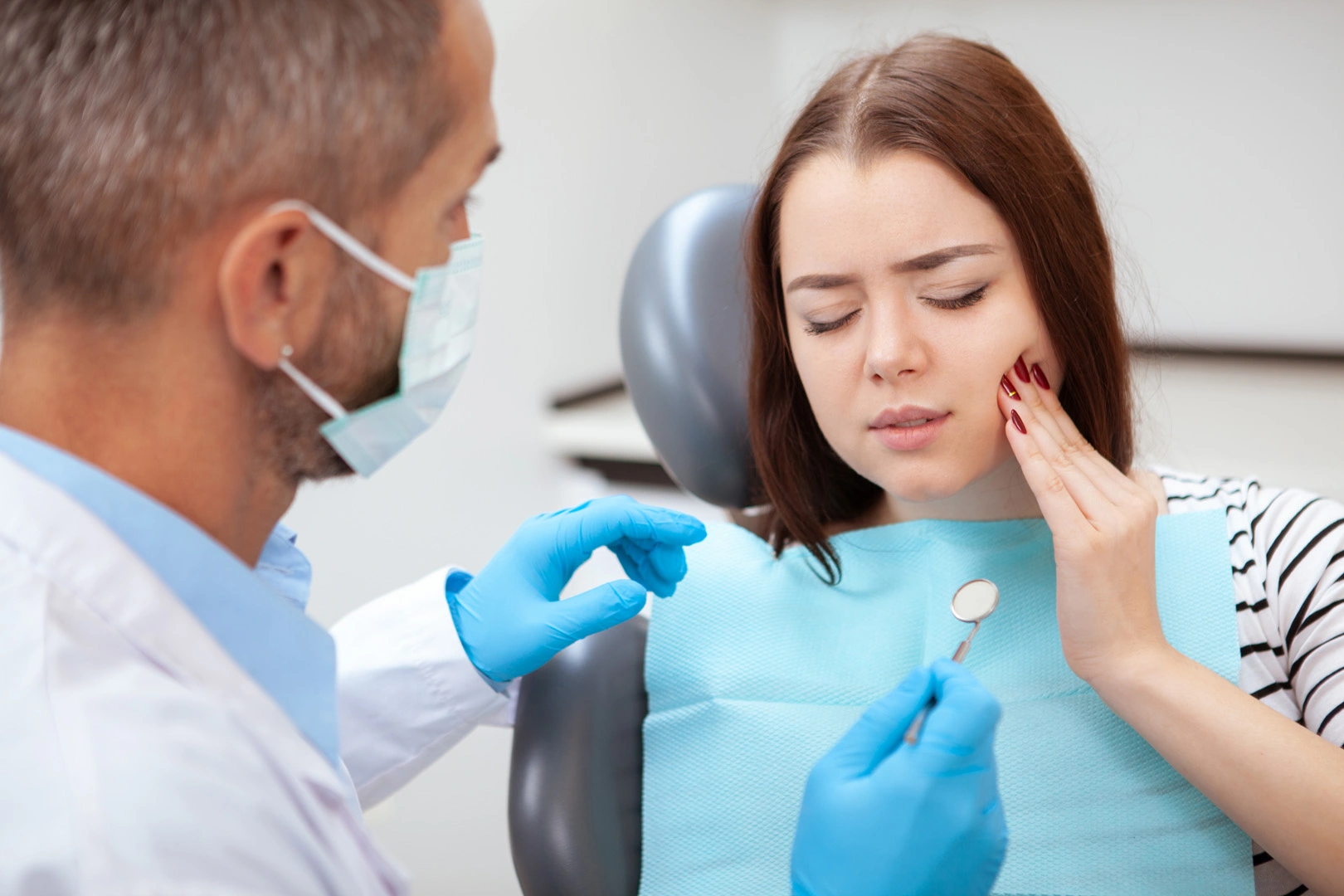
A healthy smile rarely happens by accident. It is usually the result of consistent habits, timely care, and a dental professional who notices small changes before they become larger problems. That is where a skilled general dentist becomes essential. For many families, the general dentist is the first line of defense against cavities, gum disease, bite issues, enamel wear, and the slow cosmetic decline that often comes with postponed care.
When people hear the phrase General Dentist Aurora, they often think only of routine cleanings and the occasional filling. In practice, the role is much broader. A general dentist helps patients keep teeth functional, gums stable, and smiles attractive over time. The work is both preventive and restorative, and the best outcomes come from that combination. A bright smile is not only about whiteness or straightness. It is also about healthy tissue, balanced bite forces, comfortable chewing, fresh breath, and the confidence that comes from knowing your mouth is in good shape.
In a city like Aurora, where families, professionals, retirees, and growing children all have different dental needs, general dentistry tends to be the steady center of care. One patient may need help managing sensitivity from aggressive brushing. Another may need early treatment for gum inflammation. A teenager may need sealants and cavity prevention, while an older adult may need crown maintenance, dry mouth management, or monitoring for root decay. The dentist’s role changes with age, health status, and habits, but the goal remains the same: preserve health while protecting appearance.
The real value of regular dental care
Many dental problems begin quietly. A small cavity may not hurt. Gum disease often starts with mild bleeding that people dismiss as normal. A worn filling can crack long before it causes pain. By the time a tooth becomes truly symptomatic, treatment is often more involved and more expensive.
That is why regular visits matter so much. During routine appointments, a general dentist checks for signs that most people cannot see in the mirror. These can include early demineralization, recession along the gumline, tiny fractures in teeth, clenching patterns, failing dental work, tartar buildup beneath the gums, and subtle bite changes. Catching these issues early often means simpler treatment and better long-term preservation of natural teeth.
There is also a cosmetic benefit to this kind of vigilance. Teeth stay more attractive when they are maintained rather than repaired after neglect. A small filling placed early generally preserves more enamel than a large restoration placed after decay spreads. Professional cleanings remove stain and calculus that home care cannot fully address. Monitoring gum health helps prevent the puffy, uneven tissue that can make even straight white teeth look unhealthy.
A good general dentist does not simply react to problems. They build a pattern of prevention around each patient.
What “beautiful” means in dentistry
Patients often use the word “beautiful” to describe the smile they want, but beauty in dentistry is more nuanced than a perfect Hollywood look. In clinical practice, an attractive smile usually has a few consistent traits: clean tooth surfaces, healthy pink gums, proportional tooth shape, a bite that functions comfortably, and color that looks natural rather than artificial.
General dentists help support all of those elements. They remove plaque and tartar that dull the appearance of teeth. They repair chips and cavities in ways that blend with natural structure. They track gum recession and inflammation before it changes the smile line. They also advise patients when a cosmetic concern is actually rooted in function. For example, what looks like “short teeth” may be caused by grinding. What seems like discoloration may actually be enamel thinning. What appears to be crookedness might be a shifting bite caused by missing teeth or untreated wear.
That distinction matters. Cosmetic improvements last longer when the underlying health issues are addressed first. A whitening treatment on a mouth with heavy plaque, untreated cavities, or exposed roots is not good dentistry. Neither is bonding a chipped front tooth without considering whether a patient’s clenching habit will break it again in six months.
A thoughtful General Dentist in Aurora looks at the whole picture, not just the visible complaint.
Preventive care is where most smiles are saved
The phrase “preventive dentistry” can sound routine, but it is where much of the meaningful work happens. The simplest appointments often produce the biggest long-term benefits.
Professional cleanings remove hardened deposits that brushing and flossing cannot. Dental exams allow the dentist to compare changes over time. Digital X-rays, when clinically indicated, help identify decay between teeth, bone loss, and issues under existing restorations. Fluoride treatments can strengthen enamel for children, teens, cavity-prone adults, and patients with dry mouth. Sealants can protect the deep grooves of molars, especially in younger patients.
Prevention is also highly personal. One patient may need advice on reducing sports drink exposure because frequent sipping is softening enamel. Another may need instruction on brushing technique because they are scrubbing so hard that the gumline is receding. A patient with frequent decay may need a closer look at medication-related dry mouth. Someone with chronic bad breath may not need stronger mouthwash at all, but better periodontal care and tongue cleaning.
In real practice, the patients who do best over ten or twenty years are not always the ones with perfect habits from the start. They are often the ones who stay engaged, ask questions, come in before discomfort becomes severe, and accept that oral health requires maintenance.
Cleanings do more than polish teeth
A cleaning appointment is easy to underestimate, especially for people who feel they brush well at home. But professional hygiene care reaches places toothbrushes miss and addresses buildup that gradually changes the oral environment.
Plaque begins as a soft bacterial film. Left undisturbed, it hardens into tartar, also called calculus. Once tartar forms, it cannot be brushed off. It creates rough surfaces that attract more plaque and irritate the gums. Over time, that can lead to gingivitis, then periodontitis if the inflammation deepens and bone support begins to decline.
From an appearance standpoint, cleanings General Dentist Aurora matter because plaque and tartar collect stain. Coffee, tea, red wine, tobacco, curry, and even some mouthrinses can darken deposits on teeth. Patients often think their enamel has become dramatically darker when much of the visible change is external buildup. After a thorough cleaning, the smile can look noticeably brighter without any whitening treatment at all.
There is another benefit patients appreciate once it is explained. Cleanings help preserve the margins of existing restorations. Crowns, veneers, and fillings last longer when the surrounding tissue stays healthy and bacterial accumulation is kept under control. Cosmetic dentistry does not stay cosmetic for long if maintenance is poor.
Early diagnosis keeps treatment conservative
One of the least glamorous parts of general dentistry is also one of the most valuable: diagnosis. A dentist’s General Dentist Aurora ability to recognize the beginnings of a problem often determines whether care stays simple.
Take a tiny cavity between molars. If found early, it may require a small filling. If left alone, it can progress into deeper dentin, weaken the tooth, and eventually reach the nerve. At that point, what could have been a modest restoration might become a root canal and crown. The same pattern holds for gum disease, cracked teeth, and worn enamel.
Patients do not always feel these changes as they happen. I have seen people surprised by a fractured cusp because the tooth “felt fine” until they bit the wrong way on a crust of bread. I have also seen patients assume they needed extraction because a tooth ached badly, only to learn the issue was a cracked filling that could be replaced before more extensive damage occurred. Timing changes everything.
This is one reason continuity matters. A general dentist who sees a patient over the years notices subtle progression. Maybe a groove that looked watchable last year now traps stain differently. Maybe a recession area near a canine has widened. Maybe a crown margin has started to catch an explorer where it was once smooth. These details can seem minor in isolation, but they guide treatment decisions that preserve both health and appearance.
Gum health shapes the smile more than most people realize
People tend to focus on teeth, but gums frame the entire smile. Inflamed tissue can make otherwise healthy teeth look neglected. Receding gums can expose darker root surfaces and create sensitivity. Uneven gum levels can make teeth appear mismatched in size even when they are not.
General dentists spend a great deal of time monitoring and managing gum health because it affects aesthetics, comfort, and tooth stability. Bleeding during brushing is one of the earliest warning signs, yet many patients treat it as ordinary. Healthy gums generally do not bleed with gentle brushing and flossing. When they do, it often means plaque is sitting where it should not.
Treatment depends on severity. Mild gingivitis may improve significantly with a professional cleaning and better home care. More advanced periodontal disease may require deeper cleaning, closer maintenance intervals, and referral to a periodontist in some cases. The important point is that intervention works best before bone loss becomes severe.
For patients who want a more beautiful smile, gum care is rarely optional. Teeth look cleaner, longer, and more even when the tissue around them is firm and healthy. Breath also improves, which affects confidence in a very practical way.
Restorative dentistry protects both function and appearance
When problems do arise, a general dentist restores teeth with an eye toward durability and appearance. Fillings, crowns, bonding, and other common procedures are not merely repairs. Done well, they help preserve the look of a natural smile while returning comfort and function.
Modern tooth-colored materials have changed patient expectations. Many people no longer want visible metal fillings or restorations that stand out when they laugh. A good dentist considers shade, contour, translucency, and bite forces, especially in visible areas. At the same time, appearance cannot come at the expense of strength. A front tooth repair for a teacher or sales professional may need careful polishing and color matching. A large filling on a molar for a nighttime grinder may need a different material choice or full-coverage crown for long-term success.
This is where clinical judgment matters. There is often a trade-off between conserving tooth structure and choosing a restoration robust enough for the patient’s habits. Someone who clenches hard, chews ice, or has a heavily restored tooth may not be well served by the most conservative-looking option if it is likely to fail repeatedly.
Patients appreciate honesty here. The best dentists explain why a restoration is recommended, what it is meant to solve, how long it may last, and what factors could shorten that lifespan.
Cosmetic improvements often begin with general dentistry
Many patients seek cosmetic change when the foundation problem is actually general oral health. They may ask for whitening when what they need first is a cleaning, cavity treatment, or gum therapy. They may ask about veneers when bonding, orthodontic referral, or reshaping would be more conservative. They may worry that their smile is “old” when the main issue is worn edges from grinding and dehydration making teeth look dull.
General dentists are often the right starting point because they can sort cosmetic desires from health priorities. They can also provide several appearance-enhancing treatments directly, depending on the case. These may include whitening, composite bonding, recontouring minor chips, replacing stained fillings, and designing crowns that improve both shape and color.
What makes this approach effective is restraint. Not every smile needs aggressive treatment. Sometimes the best result comes from three modest steps: a thorough cleaning, replacing a visible old filling, and whitening trays used correctly over a couple of weeks. Patients are often surprised by how much improvement that can create.
A careful General Dentist in Aurora will usually favor the least invasive path that still meets the patient’s goals.
Home care advice should fit real life
Generic dental advice is easy to give and easy to ignore. What helps patients most is specific, realistic coaching. The best general dentists tailor recommendations to schedules, dexterity, diet, orthodontic appliances, and risk level.
A parent with two young children and a chaotic morning routine may do better with a practical nighttime strategy than a long lecture about ideal habits. A patient with arthritis may need a powered toothbrush and floss alternatives. A teenager with frequent decay may need a candid conversation about all-day snacking and energy drinks, not just reminders to brush longer.
The most useful home care guidance is usually simple and targeted. A dentist may recommend a soft-bristled brush with small circular motions near the gumline, a higher-fluoride toothpaste for patients at elevated cavity risk, or a nightguard for a grinder whose front teeth are flattening. These are not dramatic interventions, but they prevent the kind of gradual damage that changes a smile over time.
For many adults, a short reset in home care can make a visible difference within weeks. Less plaque means less inflammation. Healthier gums look tighter and cleaner. Consistent flossing reduces bleeding and odor. Better hydration and saliva support can reduce dry, sticky plaque accumulation. Dentistry often works this way, through steady small gains rather than dramatic overnight change.
Age changes the needs of the smile
One of the reasons general dentistry is so important is that dental needs evolve. What keeps a smile healthy at age eight is different from what matters at thirty-eight or seventy-eight.
Children need monitoring for eruption patterns, cavities in newly erupted molars, and habits that affect development. Adolescents often need guidance around orthodontics, sports protection, and dietary choices that challenge enamel. Adults commonly deal with stress-related grinding, gum recession, old fillings that begin to fail, and cosmetic concerns tied to staining or wear. Older adults may face root exposure, medication-related dry mouth, difficulty cleaning around bridgework or implants, and changing bite relationships as restorations age.
The advantage of seeing the same general dentist over time is continuity. Patterns become clearer. A dentist who has watched a patient’s mouth for years can spot meaningful deviations more quickly than someone seeing a single snapshot. That familiarity also makes it easier to plan treatment conservatively. If a dentist knows a patient has a history of fracturing teeth on one side, they will think differently about material choice, bite adjustment, and preventive appliances.
When referrals matter
A strong general dentist does not try to do everything. Part of protecting a patient’s smile is recognizing when another specialist should be involved. Orthodontists, periodontists, endodontists, and oral surgeons all have a place in comprehensive care.
This does not diminish the role of general dentistry. It reinforces it. The general dentist is often the coordinator who identifies the issue, explains the reason for referral, and integrates the specialist’s work into ongoing maintenance. A patient may see a periodontist for advanced gum treatment, then return to the general practice for regular maintenance and restorative follow-up. Someone may complete orthodontic treatment and then rely on the general dentist to monitor retainers, watch for decalcification, and maintain the finished result.
The healthiest smiles are often the result of this kind of coordinated care.
Choosing a dentist is about fit, not only credentials
Technical ability matters, but so does communication. Patients maintain healthier smiles when they understand their risks and trust the recommendations they receive. A good dental relationship is built on clarity, consistency, and reasonable planning.
Some patients want detailed explanations and images. Others want the essentials, delivered plainly. Some are anxious and need a slower pace. Others care most about efficiency and scheduling convenience. In each case, the dentist’s job is not only to diagnose and treat, but to make the path forward manageable.
That is especially important for people who have delayed care out of fear, budget concerns, or past bad experiences. A skilled general dentist knows how to prioritize. Not everything has to be fixed at once. Often the first step is stabilizing urgent problems, improving hygiene, and building momentum. Once patients feel better and see progress, they are more likely to continue.
The long view of a healthy smile
The most attractive smiles are usually not the most heavily altered. They are the ones that have been protected year after year. Teeth remain intact. Restorations blend well and function comfortably. Gums are healthy. Problems are handled before they spiral. The smile still looks like the person, only well cared for.
That is the quiet strength of general dentistry. It is not always dramatic, but it is deeply consequential. A general dentist helps people keep what nature gave them for as long as possible, and when repair is necessary, they aim to restore without compromising the overall look and feel of the smile.
For anyone searching for a General Dentist in Aurora, the right practice offers more than basic maintenance. It provides a long-term partner in oral health, someone who understands that beauty and health in the mouth are inseparable. The clean, comfortable, confident smile people want is rarely the result of one treatment. More often, it is built through thoughtful care, skilled observation, and good habits reinforced over time.
That is how healthy smiles stay beautiful, and how beautiful smiles stay healthy.
Aspenwood Dental Associates and Colorado Dental Implant Center
Address: 2900 S Peoria St Ste C, Aurora, CO 80014
Phone number: +13037314037
FAQ About General Dentist Aurora
What is meant by general dentistry?
General dentistry refers to the primary, foundational tier of oral healthcare, focused on the prevention, diagnosis, and treatment of conditions affecting the teeth, gums, and jaw. General dentists serve as a patient's main, long-term dental care provider—much like a primary care physician.
What is general dentistry and orthodontics?
General dentistry and orthodontics are two specialized branches of dental care. General dentistry serves as your primary care for overall oral health, focusing on routine cleanings, fillings, and disease prevention. Orthodontics is a specialized field focused entirely on diagnosing and correcting misaligned teeth and jaw structures using braces or clear aligners.
What are type 3 dental services?
Type 3 dental services typically include major restorative treatments that repair or replace damaged or missing teeth. These services are more complex and costly than preventive or basic dental care. Common examples of type 3 dental services include: Dental crowns.